
VASE™ Applications Include:
Water Analysis
Soil Analyis
Flavors/Aromas
Cannabis
Food Safety
Clinical Markers/Drugs In
Miscellaneous
VASE - Vacuum Assisted Sorbent Extraction. What Is It?
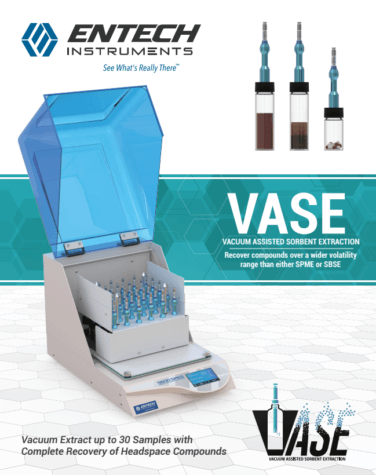
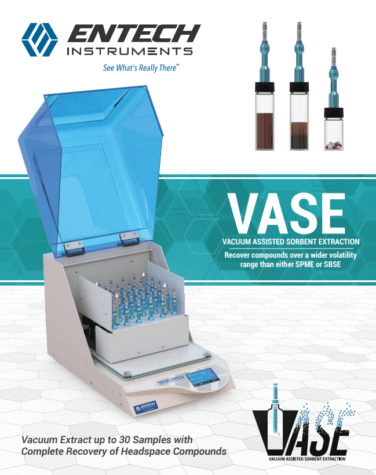
Vacuum Assisted Sorbent Extraction (VASE) is a next generation extraction technique capable of greatly extending of recoverable compounds relative to other extraction techniques. The greater amount of phase relative to SPME allows the collection of even more volatile compounds, while vacuum accelerates the recovery of most heavier compounds normally requiring solvent extraction. Virtually all liquid and solid samples to be analyzed by GC or GCMS are compatible with this exciting technique that was recently made even better by improved thermal management that eliminates matrix condensation on the sorbent. Both aerosol deposition and matrix condensation is a known issue with HS-SPME as there is no way to mechanically or thermally isolate the fiber from the headspace. This exposes the fiber to both 100% relative humidity and potential splashing of non-volatiles onto the fiber, causing artifact formation during thermal desorption as well as reduced fiber lifetimes. VASE places the entrance of the Sorbent Pen at the top of the vial, where the sorbent temperature can be maintained just higher than that of the matrix, eliminating any matrix condensation, which maximizes the collection efficiency of the sorbent while eliminating any post dehydration steps.
VASE is performed under vacuum which allows compounds to migrate much faster to the extraction device positioned only a few centimeters away. The tremendous increase in phase over HS-SPME can virtually eliminate matrix affects thereby improving sensitivity and extraction reproducibility. Due to the consistency of the VASE technique, multiple Sorbent Pens can be used to extract several samples in parallel to increase the sample throughput with minimal “Pen to Pen” variability. Sorbent Pens with 1 or more sorbent beds are available based on the desired boiling point range to be recovered, and custom sorbent packings are also available upon request. Desorption of Sorbent Pens is performed using the 5800A Sorbent Pen Desorption Unit, which provides multiple desorption options to optimize GCMS(MS) sample loading and injection rates.
VASE – Technique Selection Guide
Sample Type: Liquid or Solid
Extraction Temperatures: Ambient to 70 °C
Extraction Times: 5 min to 16 hours
Operational Mode: Static Vacuum Extraction in a Closed System, often to full equilibrium
BP Range: 0 °C to +500 °C
Vial Sizes: 20/40/125mL
Typical 5800A Mode: SPLIT, SPLIT or SPLT/ SPLTLESS, or SPLT/SPLTLESS
Water Management: New Thermal Gradient Temperature Management During Extractions. Optional Cold Tray for low temperature extractions
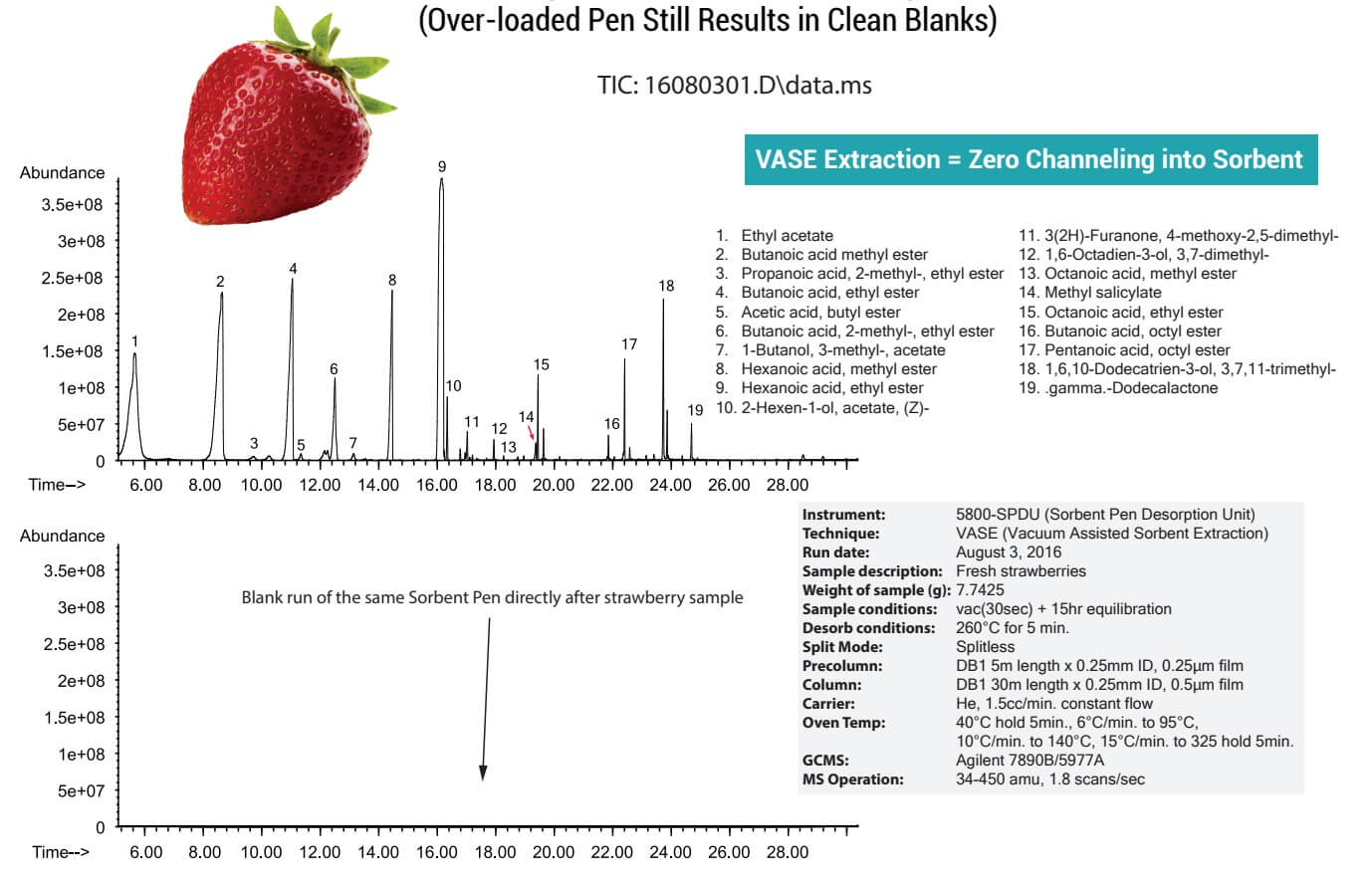
GCMS Analysis of VASE Strawberry Extract
Advantages of VASE
Improvements over SPME & Dynamic Headspace Trapping
-
Highly reproducible
-
Minimal carryover without the need for a secondary bakeout/cleanup step.
-
Durable - hundreds of injections.
-
Thousands of time more phase than SPME to eliminate matrix effects on sorbent affinities.
-
Operates at or near equilibrium to improve sensitivity and quantitative accuracy.
-
Performs exhaustive vacuum extraction of VOCs through SVOCs.
-
Unlike SPME, Pens are shielded from exposure to aerosols formed during agitation.
-
See taints, odors, additives, flavors & fragrances at levels below previously possible.
-
Faster injection rates produces better chromatography and less thermal degradation.
-
Rapid injections without cryogen or electronic cooling.
-
Higher throughput via parallel off-line extractions.
-
Sample at elevated or sub-ambient temperatures as needed.
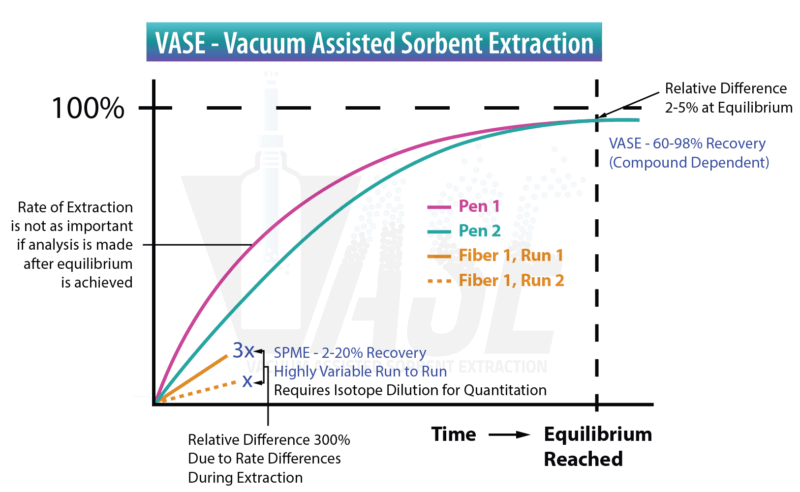
VASE, utilizing Sorbent Pens™, Operates at or Near Equilibrium to Improve Sensitivity and Reproducibility
-
Operating at or near equilibrium increases 100% sensitivity and reduces run to run variability.
-
Small changes in VASE extraction conditions result in inconsequential differences in the ultimate recovery at equilibrium, resulting in excellent reproducibility.
-
Typically no need to use isotope dilution for quantitative measurements.
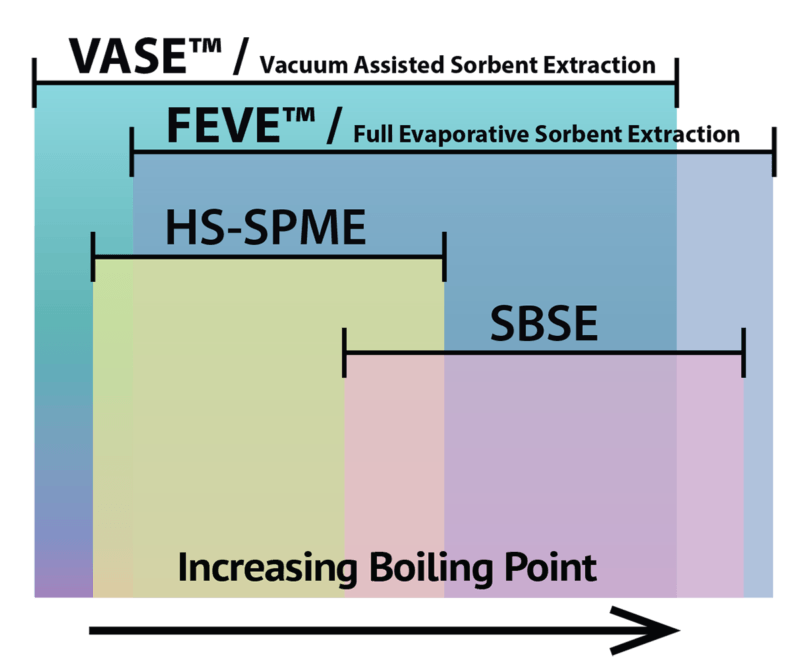
VASE and FEVE (Sorbent Pens) vs HS-SPME and SBSE Recovery Relative to Analyte Volatility.
-
Using VASE or FEVE, Sorbent Pens™ can recover compounds over a wider volatility range than either SPME or SBSE.
-
Most applications done by either SPME or SBSE can be done more easily and usually with higher sensitivity and accuracy utilizing VASE or FEVE.
How it Works
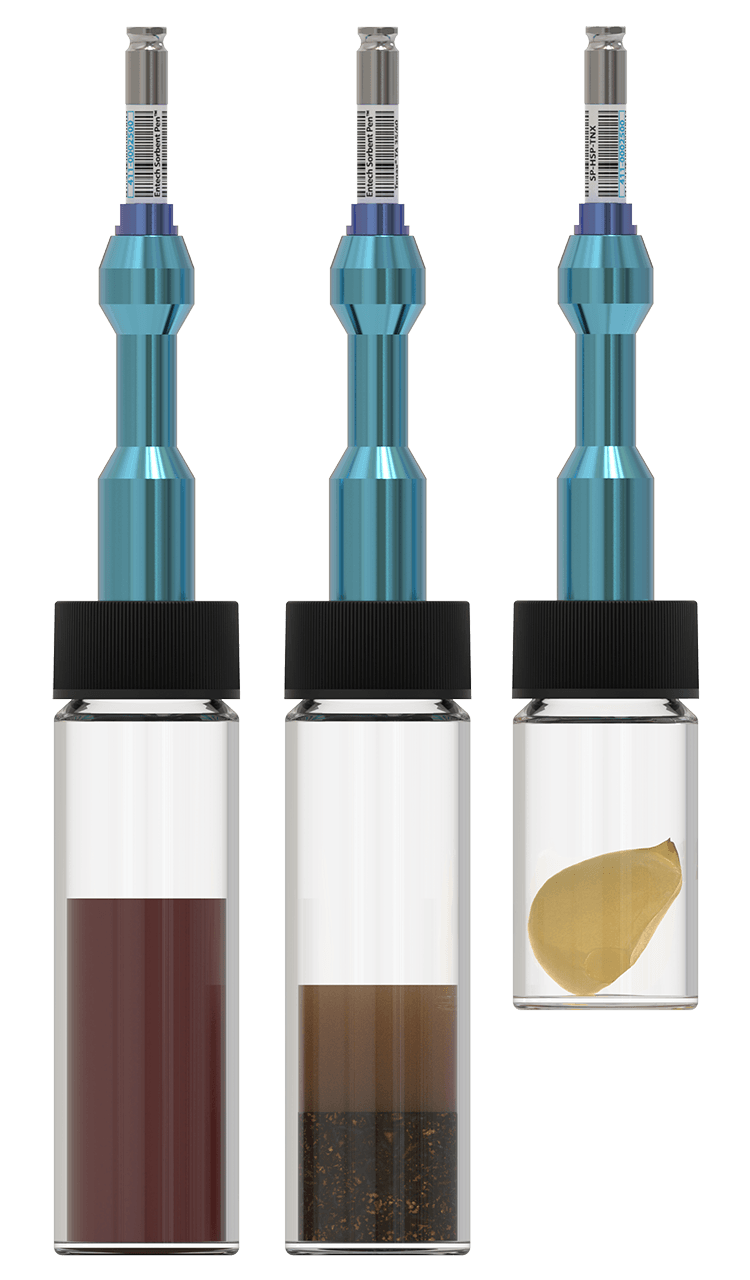
Sorbent Pens can be used literally hundreds of times to perform VASE extractions. To perform VASE, a sample is weighed or measured into a 20, 40, or 125mL vial, a vacuum sleeve is secured to the vial, and a Sorbent Pen is inserted with 1 or more sorbents depending on compounds of interest. However, since compounds cannot “break through” the sorbent during extraction in the closed system created by the VASE process, even a moderate strength sorbent such as Tenax TA can recover much lighter compounds than dynamic headspace techniques. The Pen/Vial combination is then evacuated for 15-20 seconds to the boiling point of water at 25 °C (0.3 psia, or 2KPa). The evacuated assemblies are placed into trays where they are heated and agitated using the 5600 Sorbent Pen Extraction System. Recent updates to the thermal management inside the 5600 SPES allows the Sorbent Pens to remain 5-10 degree warmer than the sample vials, eliminating any condensation of the matrix which in turn keeps the sorbents at maximum strength. After an extraction period of 0.1-16 hours, the Pen/Vial assemblies are removed and placed in 30 position trays for automated analysis. The Sorbent Pens are thermally desorbed into a GCMS, GCMSMS, or GC/Hi-Rez MS using the 5800A Sorbent Pen Desorption Unit. The deposition of compounds near the entrance of the Pens not only leads to a fast delivery to the GC column(s) with less thermal decomposition, but generally eliminates the need for additional cleaning of the Pens prior to reuse. A 3801A Thermal Conditioner can clean Pens when they are severely overloaded, or before initial use.
VASE Equipment
Click on the image to view the list
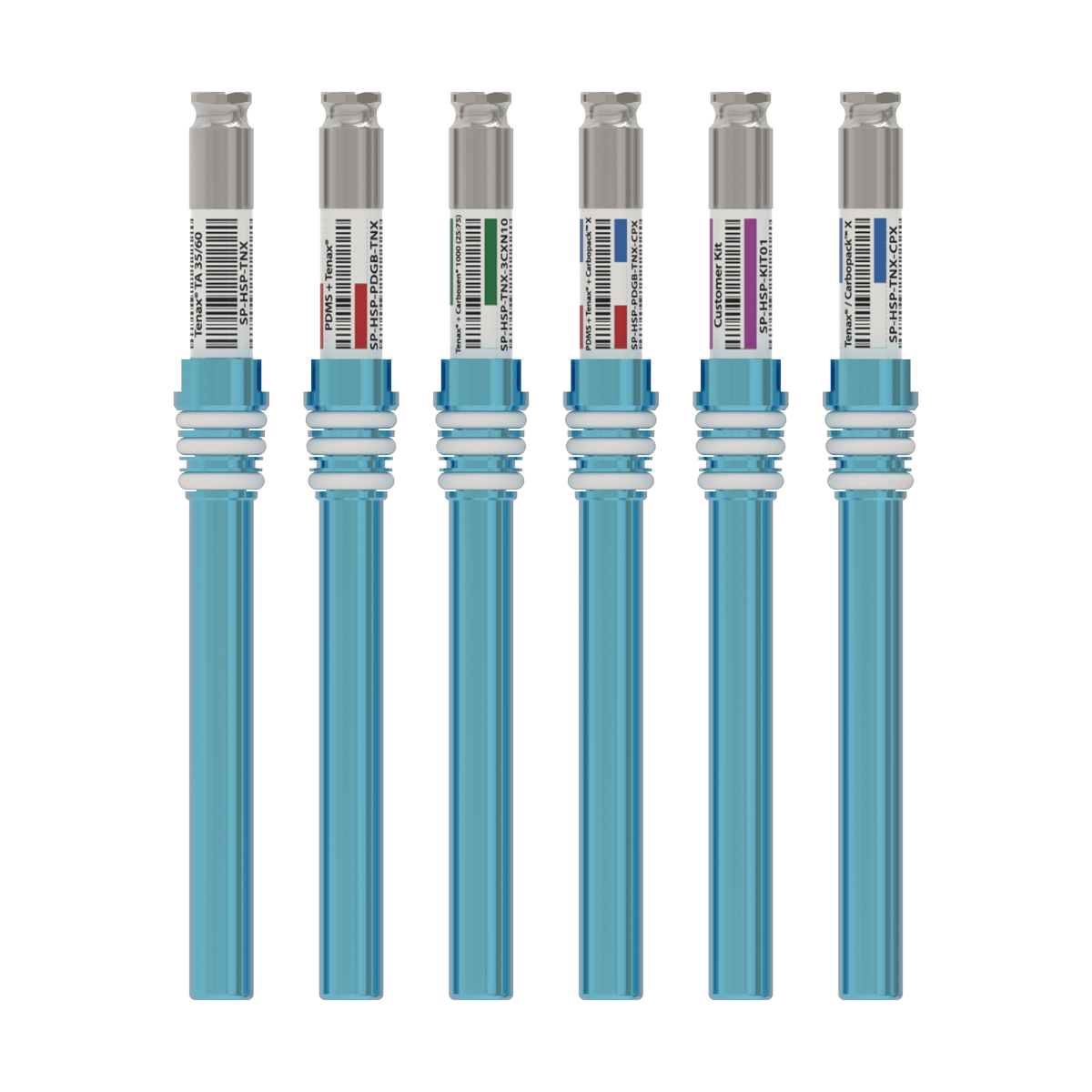


Sorbent Pen Options
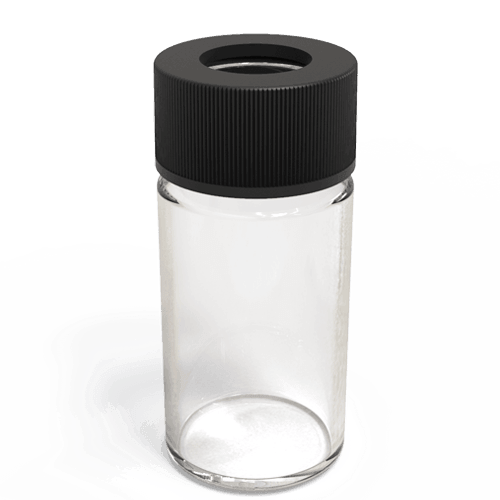


VASE Glassware, Caps, & Vacuum Sleeves
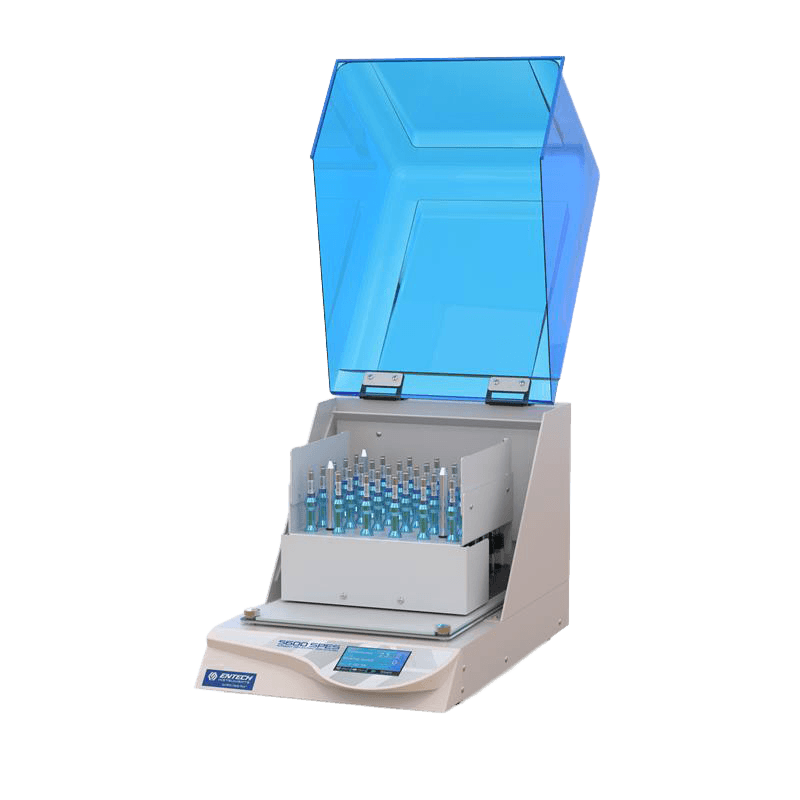


Agitation, Extraction, Water Management
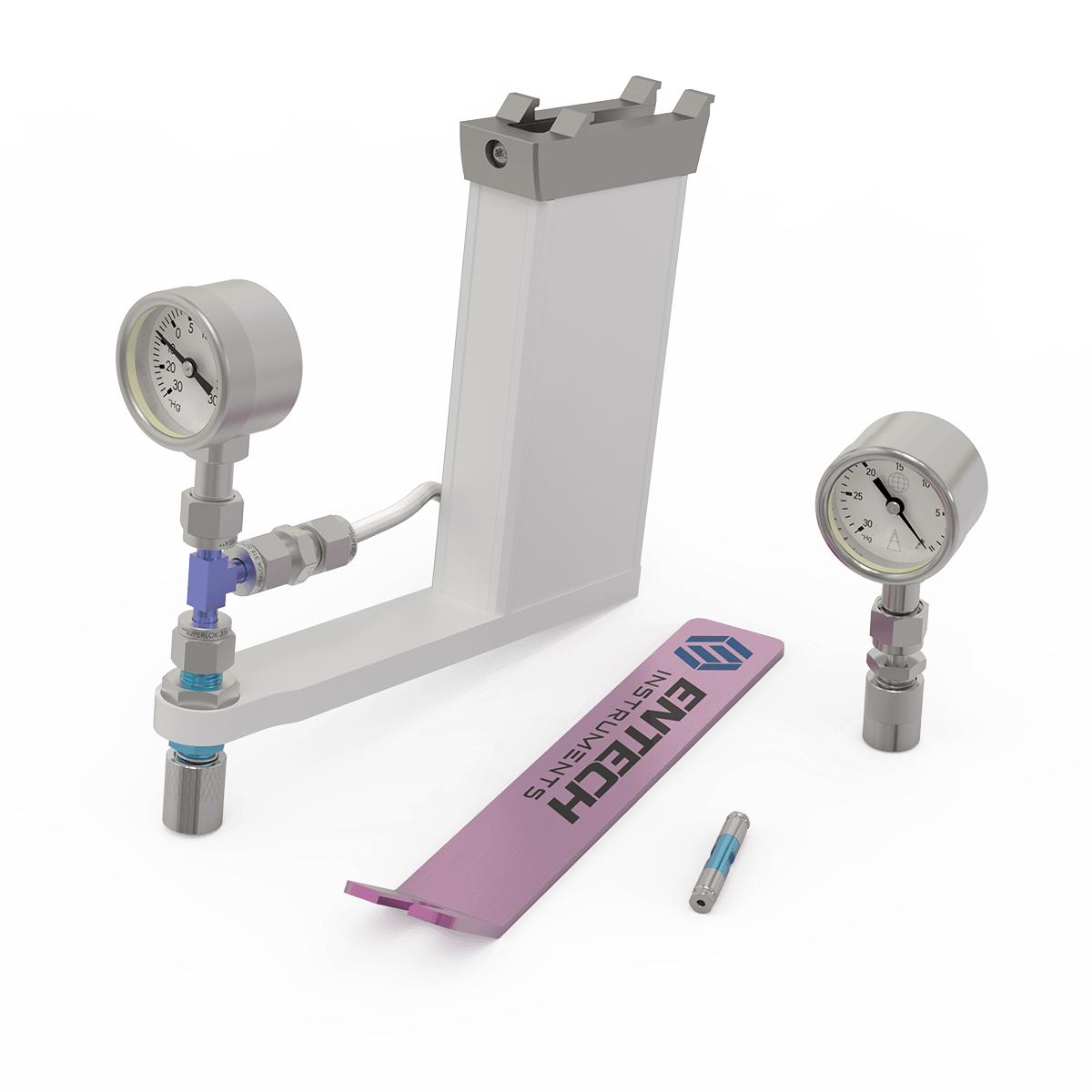


Sample Preparation & Extraction
| Label | Vase | F-Vase | Feve | LVSH |
|---|---|---|---|---|
 |
 |
 |
 |
|
LABEL |
VASE |
Flash-VASE |
FEVE |
LVSH/X-LVSH |
Full Name |
Vacuum Assisted Sorbent Extraction |
Flash-VASE |
Full Evaporative Vacuum Extraction |
(Extremely) Large Volume Static Headspace |
Sorbent Pen Type |
HSP |
FSP |
FSP |
ASP |
Vial Size |
20, 40, 125mL |
2, 6, 20mL |
2, 6 mL |
250, 500, 1000mL |
When to Use |
Liquid or Solid Sample Compositional Analysis. SPME Alternative |
Samples with low volatile contents (solids, powders, polymers, packaging, oils) |
Volatile Matrix with low solid contents (water, beverages, solvent extracts) |
Measurement of equilibrated headspace to determine partition coefficients of aroma compounds. |
Extraction Technique |
Vacuum, Diffusive, Closed System, Mechanical Agitation |
Diffusive Vacuum Thermal Extraction, Closed System |
Matrix Evaporative Transfer followed by heated, Diffusive Extraction in Open System, Matrix eliminated |
Dynamic, Fully equilibrated headspace, Static, Open System |
Vial Temp Range |
30° to 70° C |
30° to 280° C |
30° to 280° C |
30° to 70° C |
BP Range |
-50° to 450° C |
-50° to 550° C |
80° to 550° C |
0° to 450° C |
Water Management |
Cold tray dehyd., Dry Purge, Split Inj. Capillary Focusing Trap |
Cold tray dehyd., Dry Purge, Split Inj. |
Vacuum Removal |
Dry Purge, Split |
Typical Pen Cycle Times |
200-2000 |
200-1000 |
500-2000 |
100-200 (except not for disposible / replaceable inlet filter) |
Competitive Technologies Displaced |
SPME, SPME Arrow, SPE, SBS |
Micro Chamber, Direct Thermal Extraction, DHS |
SBSE, Hi-Sorb, Full Immersion SPME |
All other non-static, low sensitivity techniques |
Typical Sorbent Combinations |
Tenax, Tenax / CPX, PDMS GB / Tenax, Tenax / Carboxen |
Tenax, Tenax / CPX, PDMS GB / Tenax, Tenax / Carboxen |
PDMS GB / Tenax, Tenax / CPX |
PDMS / Tenax, Tenax / Carbopack X |
Common Applications |
Food, Beverage, Flavor, Aroma, Water, Consumer Products |
Volatiles / Odors in Packaging, Polymers, Powders, Foams, Synthetics, Natural Products, Cannabis, Heavy Oils |
SVOCs in Water, Flavors / Aromas in Thermally Labile samples, Pesticides in foods. |
Aroma / Flavor Profiling |
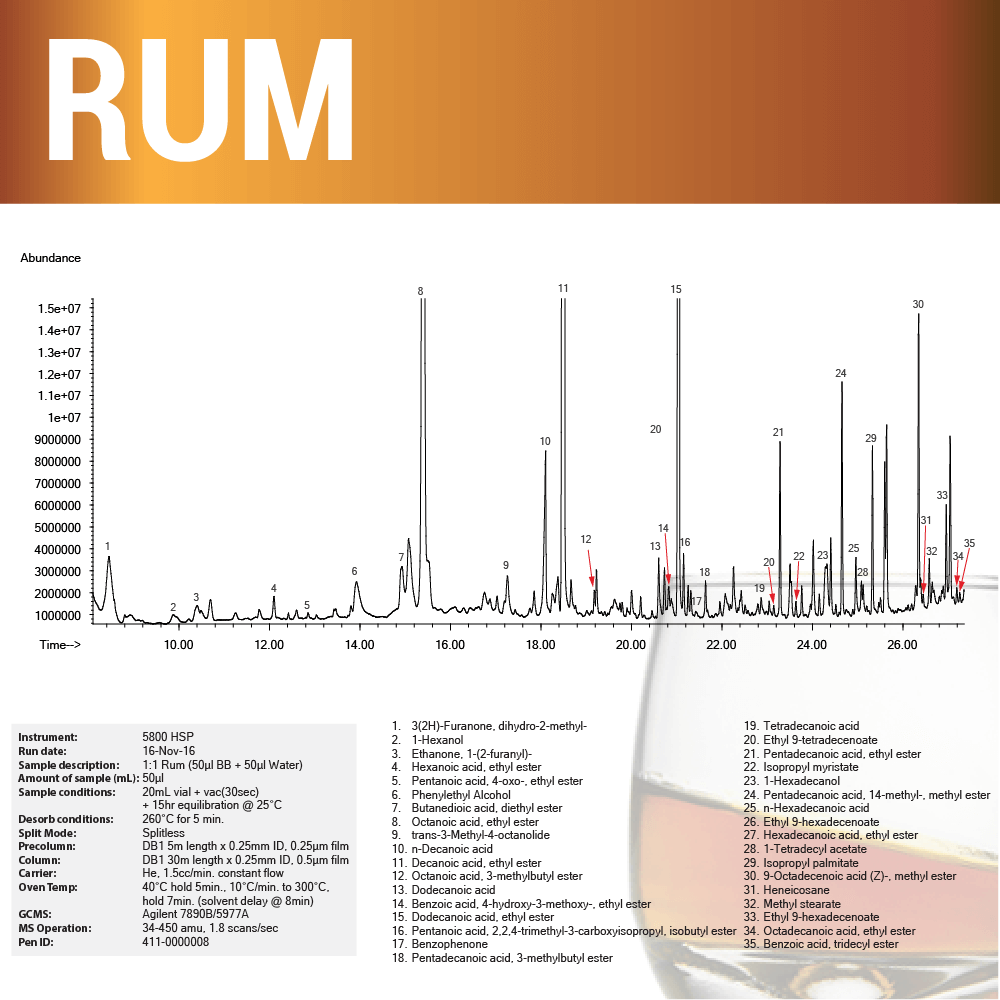
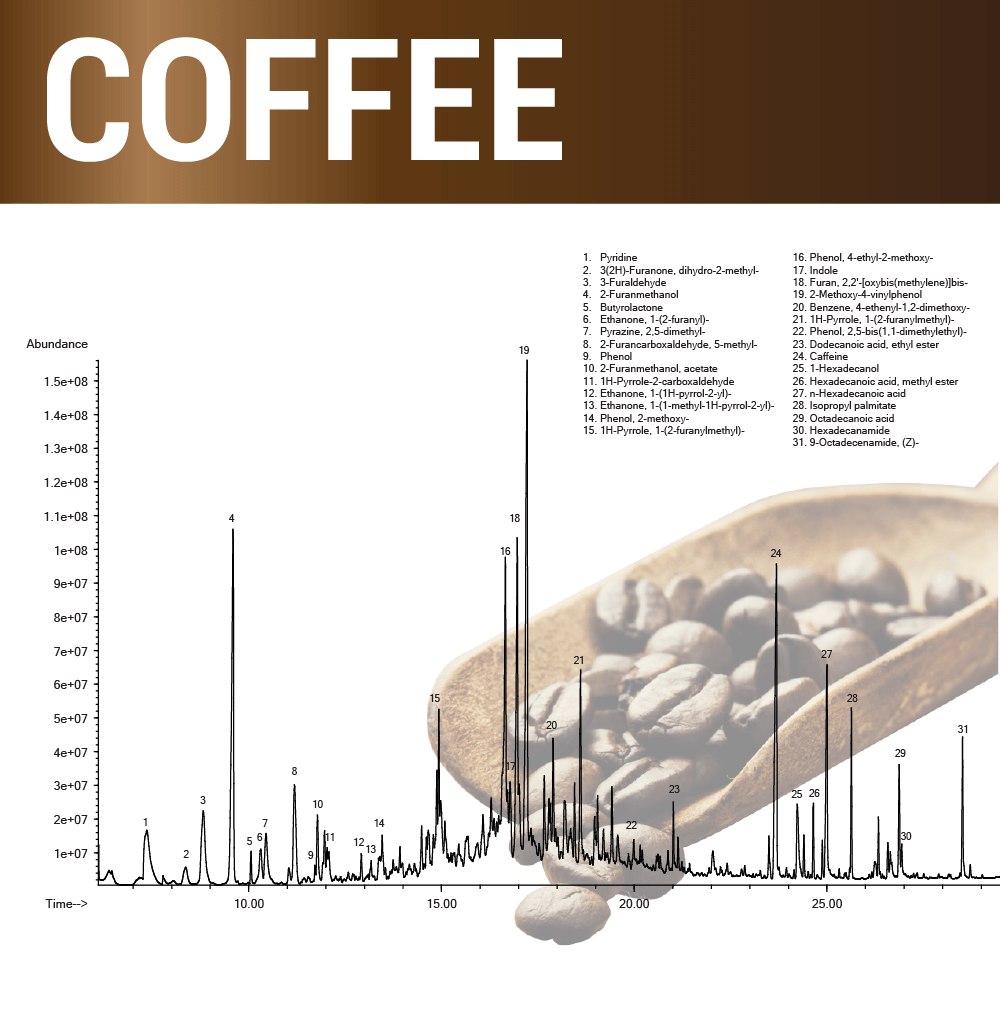
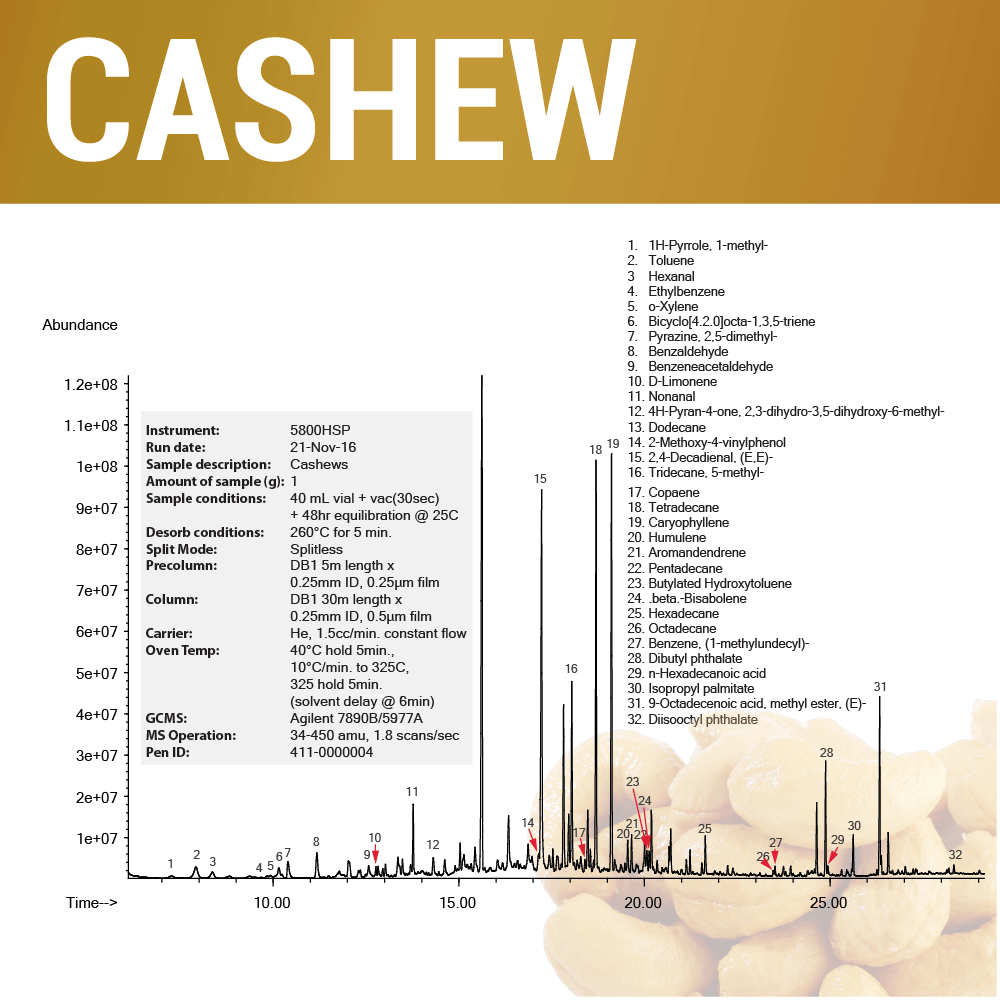
Featured Chromatograms











-
Direct Headspace Enrichment on GC Columns Rather than Packed Traps or Fibers to Optimize Sensitivity and Quantitative Recovery of Volatile Constituents
-
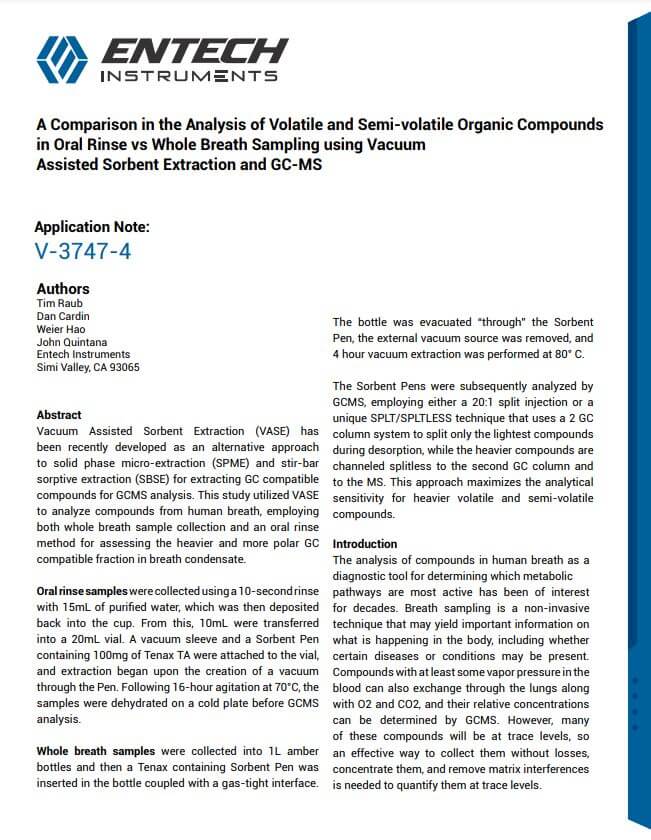
A Comparison in the Analysis of Volatile and Semi-volatile Organic Compounds in Oral Rinse vs Whole Breath Sampling using Vacuum Assisted Sorbent Extraction and GC-MS
-
ASMS Poster Download
-
Authors: Sage J. B. Dunham, Victoria L. Noad, Bailey S. Arakelian & Daniel B. Cardin Introduction Compositional analysis of products, including any contaminants present, from raw materials to finished products is crucial to ensure quality and safety. Headspace Sorbent Pens (HSPs) are used with the technique, Vacuum Assisted Sorbent Extraction (VASE), to extract volatile organic compounds (VOCs) to semi-volatile organic compounds (SVOCs) in solid, liquid, and gas matrices. Many existing headspace techniques are only quantitative for volatiles (Boiling point (BP)…
-
Authors: María J. Trujillo-Rodríguez, Jared L. Anderson, Sage J. B. Dunham, Victoria L. Noad & Daniel B. Cardin Abstract Vacuum-assisted sorbent extraction (VASE) has been applied in combination with gas chromatography-mass spectrometry for the determination of UV filters in water samples. VASE is a variant of headspace extractionwhich was developed in conjunction with the sorbent pen (SP) technology. This technique combines the advantages of both stir-bar assisted extraction and headspace solid-phase microextraction. The SP traps allowed both reduced pressure in-vial…
-
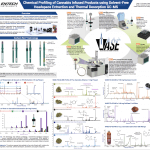
Authors: Sage J. B. Dunham, Victoria L. Noad, Bailey S. Arakelian & Daniel B. Cardin Overview A solvent free headspace extraction approach – vacuum assisted sorbent extraction (VASE) – is applied in combination with thermal desorption (TD)-gas chromatography-mass spectrometry (GC-MS) to examine the chemical composition of cannabis and cannabis infused consumer products. Application of VASE for qualitative profiling of cannabis infused edibles (e.g., gummies, chocolates) reveals the presence of residual solvents, flavor additives (e.g., vanillin), and active cannabinoids. VASE profiling…
-
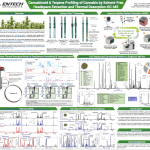
Authors: Sage J. B. Dunham, Victoria L. Noad, Bailey S. Arakelian & Daniel B. Cardin Overview The specific chemical composition of cannabis is responsible for the fragrance and flavor of the product, the experience of a recreational high, and the medicinal benefit. In a phenomenon known as the “entourage effect”, evidence further suggests that compounds act synergistically to produce desirable pharmacological effects (Russo, 2011). Here we describe the application of a solvent-free headspace extraction approach – vacuum assisted sorbent extraction…
-
Authors: Sage J. B. Dunham, Victoria L. Noad, Bailey S. Arakelian & Daniel B. Cardin Overview Current analytical methods for evaluating volatile and semi volatile organic compounds (VOCs & SVOCs) in water often require large sample volumes (1 L or more), are labor intensive, and rely upon liquid-liquid extraction into organic solvents. Here we present a sensitive, solvent-free method – termed vacuum assisted sorbent extraction (VASE) – for extraction and pre-concentration of VOCs and SVOCs in preparation for thermal desorption-GC-MS. In VASE,…
-
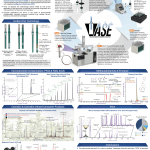
Authors: Sage J. B. Dunham, Victoria L. Noad, Bailey S. Arakelian & Daniel B. Cardin Overview In the 30 years since the invention of solid phase microextraction (Belardi & Pawliszyn, 1989), headspace (HS) extraction has developed into a powerful family of techniques for both targeted and untargeted chemical analysis of volatile and semi volatile compounds. We recently developed a static HS sampling approach, termed vacuum assisted sorbent extraction (VASE), in which the sample is positioned in a disposable sample vial and placed in a reduced…
-
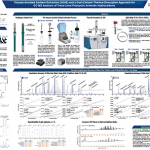
Authors: Victoria L. Noad, Sage J. B. Dunham, and Daniel B. Cardin Overview • A new instrument design and methodology for trace-level headspace analysis of polycyclic aromatic hydrocarbons (PAHs) is described. • Using a 1 mL sample of water, quantitation from 5 ppt – 10 ppb is demonstrated for a wide range of polycyclic aromatic hydrocarbons from Naphthalene (BP 218°C) to Benzo(g,h,i)pyrene (BP 550°C).
-
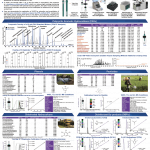
Authors: Victoria L. Noad, Sage J. B. Dunham, and Daniel B. Cardin Overview Due to recent legislative changes, consumption of cannabis products are becoming accepted as a medical treatment and a mainstream recreational product worldwide including many US states and Canada. Reliable analytical methods are critical to ensuring consistent dosing, efficacy, and safety. Current techniques include liquid-liquid extraction followed by LC or GC-MS analyses, which generate solvent waste and require multiple laborious steps. Vacuum Assisted Sorbent Extraction-Thermal Desorption (VASE-TD) is…
-
Use of Sorbent-Based Vacuum Extraction for Determination of Volatile Phenols in Beer
-
Solvent Free Extraction Technique for Determination of Semi-Volatile Organic Compounds in Water Samples by EPA Method 8270
-
Quantitative Headspace Measurement of Volatiles in Dairy Products using Vacuum Assisted Sorbent Extraction (VASE) and GCMS Analysis Application
-
Quantitative Headspace Measurement of Volatiles in Dairy Products using Vacuum Assisted Sorbent Extraction (VASE) and GCMS Analysis App Note
-
Quantitative Headspace Measurement of Volatiles in Dairy Products using Vacuum Assisted Sorbent Extraction (VASE) & GCMS Analysis
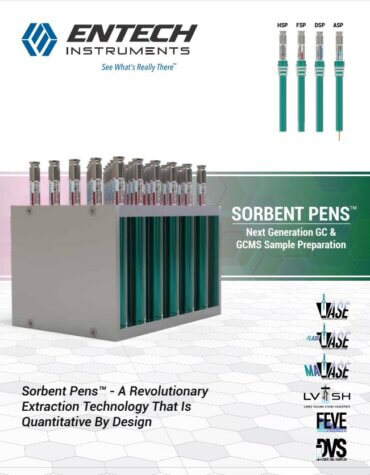
Compare All Sorbent Pen Extraction Techniques For Complete Coverage of VOC to SVOC Analysis Of Virtually Any Matrix